




A Palworld server can run for weeks without anyone thinking about PvP. Players have their own bases, a collection of Pals, and plenty of resources to work with. One player might have settled near a good resource spot, while another has spent most of its time breeding Pals and preparing for boss fights. Then someone brings up enabling PvP. Now, some players will be happy about the idea of raiding other bases. Others probably don’t want to come back one day and find their supplies missing. Not everyone enjoys that kind of competition, especially when they’ve spent weeks building up their base.
PvP also affects more than just fights between players. It changes how people think about base security, storage and travelling around the map. So, is it actually worth turning on? That really depends on the group. Some players want the competition, while others would rather keep their progress safe and focus on building up their world.
What Changes When You Enable PvP?
Palworld PvP changes significantly when you allow players to attack each other. The official dedicated-server guide covers changes to base defence, Pals, storage and combat. It still lists PvP as a trial feature that isn’t covered by official support.
Players can attack each other, but their bases aren’t completely helpless either. Base Pals will attack hostile players who enter, and they can detect enemies from a wider area. If you assign strong Pals to base defence, that can make a raid much harder, although it won’t stop someone from attacking. There are also some changes to damage. Players and Pals being ridden take increased damage while airborne, so flying over another guild’s base or trying to escape on a mount can be risky. On the other hand, players deal less damage to summoned Pals and those assigned to bases. Fighting another guild’s working Pals is therefore a little different from fighting wild ones.
Storage is something to think about before enabling PvP. Players can access chests belonging to other guilds, so keeping everything inside your base doesn’t necessarily make it safe. The guide also lists Guild Chests among the technologies that can be restricted for balance. It’s worth deciding how you want storage to work before letting everyone fight.
Base attacks have their own restrictions too. The owner receives a notification when their base is attacked, but players cannot build or repair inside it while the battle is going on. You can’t simply replace a damaged wall while someone is attacking it. The minimum distance between bases also increases, which affects where new guild bases can be placed.
There are a few other combat changes. Melee damage against other players’ structures is reduced, and some weapons have different damage and range values when used in PvP.
The Good Side of Palworld PvP

For the right group, PvP gives guilds a reason to pay attention to what other players are doing. A team might spend weeks gathering Ore, breeding strong Pals, and putting together a well-defended base. With PvP enabled, all that preparation has another purpose. You might start noticing another guild collecting resources near your base or flying over your territory. Maybe they want the same resource area, or perhaps they’re just waiting for someone to leave the base before attacking. A small fight over supplies can turn into a rivalry that carries on for several sessions. You don’t really get that kind of competition from fighting another boss.
Your base also needs a bit more attention. Leaving valuable supplies in random chests might not be the best idea anymore. You could move them, change which Pals are assigned to defence, or rethink how the base is laid out. Those combat Pals you’ve been breeding for boss fights might help guard your entrance.
Fights can get interesting when several players and their Pals are involved. One player might use a fast mount to move around the area, while another stays close to their Pal and focuses on attacking. Someone could be defending the entrance while a teammate tries to get behind the opposing group. There’s more going on than two players simply shooting at each other. PvP also gives experienced players another reason to keep playing after they’ve caught the Pals they wanted, defeated the bosses, and finished their main base.
What Can Go Wrong?
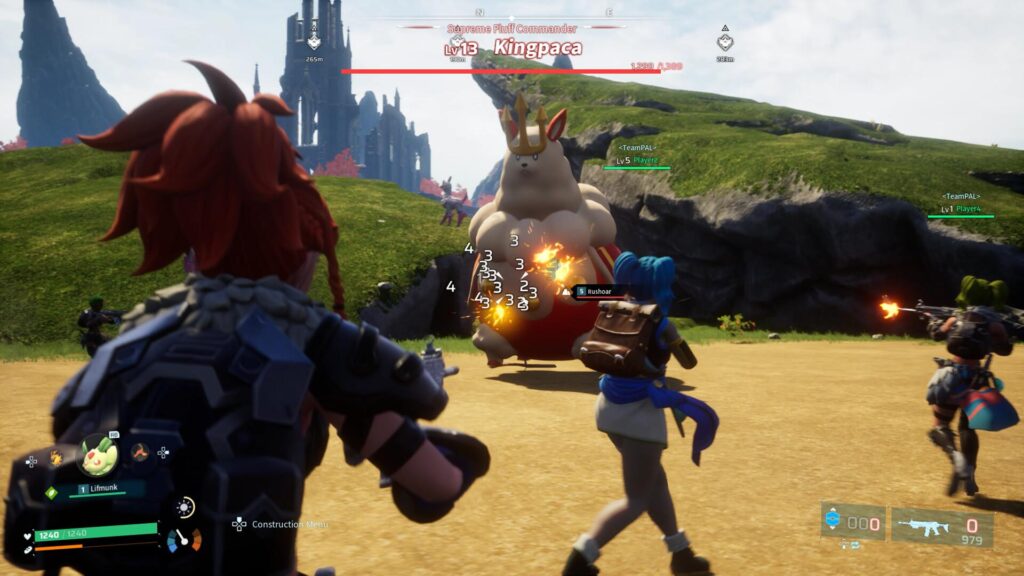
The gap between guilds can become a problem. A group that plays every evening will naturally have better equipment, stronger Pals and plenty of supplies compared to someone who joined two days ago. If that established group starts attacking the new players, there’s not much they can do about it. Repeated raids can get tiring too. One attack might be fun when both sides are expecting it. But imagine logging in after work and finding that the same guild has attacked your base again.
Losing supplies makes things even worse. Someone might spend hours gathering materials for a new production line, only to find that another guild has taken what’s in their storage. Losing a few items is one thing. But losing rare materials and equipment that took several sessions to collect is another. Some players might decide it’s not worth starting over again.
Settings Worth Changing Before Enabling PvP
The default settings might be fine for a small group of friends, until guilds start raiding each other. The official guide includes several optional settings that can help with PvP balance. You don’t have to use all of them. It depends on how competitive you want the server to be.
One thing you can change is how players spend their stat points. The official guide suggests disabling extra HP and Attack upgrades:
bAllowEnhanceStat_Health=False
bAllowEnhanceStat_Attack=False
This stops players from putting additional points into those two stats. It doesn’t make everyone equally strong, but it removes one way for experienced players to build an advantage.
There are a few technologies also. Fast-movement Pal Gear, Grappling Guns, and Guild Chests can all be restricted. A player using a fast mount or Grappling Gun can have an easier time chasing someone or escaping during a fight. Guild Chests are another thing to consider, especially if you don’t want them becoming part of every raid.
Fast travel is worth thinking about before the first fight happens. You can disable it completely or allow travel between bases only. For the second option, the configuration looks like this:
bEnableFastTravel=True
bEnableFastTravelOnlyBaseCamp=True
This makes it harder for someone to simply fast travel away when another guild attacks. Whether that’s a good thing depends on how strict you want PvP to be.
Logging out is another consideration. With this setting enabled:
bExistPlayerAfterLogout=TruePlayers remain in the world and sleep at the location where they logged out. This stops someone from escaping a fight just by closing the game. It can be useful on competitive servers, but make sure everyone knows about it. Someone might need to leave suddenly and not realise their character is still exposed.
Then there’s the death penalty. The Death Penalty setting controls what players drop when they die, ranging from nothing to all their items and the Pals in their team. You can also allow other guilds to collect those drops:
DeathPenalty=All
bCanPickupOtherGuildDeathPenaltyDrop=True
That’s a pretty harsh setup for a casual server. A lighter death penalty might be better when you want players to fight without losing everything they’ve collected.
Guild and base limits can help as well. The official guide gives these as example values:
GuildPlayerMaxNum=4
BaseCampMaxNumInGuild=2
This limits each guild to four players and two bases.
Should You Enable PvP on a Friends-Only Server?

A friends-only server is probably the easiest place to try PvP, but don’t just switch it on and see what happens. Talk about what everyone is okay with first. If the group enjoys occasional fights and doesn’t mind losing some supplies, it can give people something to do once they’ve dealt with the bosses and finished most of their building projects.
The trouble is that “PvP is on” can mean different things to different players. One person might expect base raids to be allowed, while someone else thinks it only means fighting when you run into another player. Sort out the basics before enabling it. Can players raid bases? Are offline raids allowed? What happens to dropped items? etc. If everyone has different schedules, unrestricted raids won’t be fun. You could keep PvP for planned events or agree on certain times when raids are allowed instead of making every encounter a potential fight.
How to Decide Whether PvP Is Right for Your Server
Not every group is going to enjoy the same kind of PvP. It depends on who is playing and what they want from the server.
- Friends-only server: PvP can be fun when everyone is fine with fighting and know the possibility of losing supplies or having their base raided.
- Competitive guild server: This works better when guilds are reasonably close in size and progress. You’ll still need some rules around raids and balance.
- Public server: Things get more complicated here when players don’t know each other. New-player protection, offline raids and rules against griefing need to be sorted out for the play.
- Casual cooperative server: Here, keeping PvP disabled probably makes more sense when everyone mainly wants to build bases, collect Pals and progress together.
You don’t have to enable PvP permanently just to see whether people enjoy it. Try it during a planned event first. Let everyone know what rules will apply, whether bases can be raided and what they might lose. After that, you can decide whether it’s something worth keeping.
Things to Check Before Enabling PvP
Make a backup of the world before changing the PvP settings. If something goes wrong after the server restarts, you’ll have a copy to fall back on. This is especially important when players have spent weeks building bases and collecting equipment.
The official guide requires all three of these parameters to be set to True in the server configuration:
bIsPvP=True
bEnablePlayerToPlayerDamage=True
bEnableDefenseOtherGuildPlayer=True
Changing only bIsPvP isn’t enough for the complete setup described in the documentation. Make sure you’re editing the active PalWorldSettings.ini file. Changes made to DefaultPalWorldSettings.ini won’t apply to the running server. You can check the official PvP guide and configuration reference before making the changes.
There are a few other things worth deciding before players start fighting. What happens to their equipment when they die? Can other guilds collect dropped items and Pals? Guild sizes and base limits should be decided too. It’s much easier to agree on a four-player guild limit before everyone has already invited their friends.
So, Is Palworld PvP Worth Turning On?
PvP is worth enabling when the group actually wants to compete. If players enjoy defending their bases, planning raids, and fighting over resources, it gives them something to work towards beyond catching Pals and defeating bosses. It also helps when the guilds are at roughly similar stages of progress. Otherwise, fights can quickly turn into one stronger group repeatedly attacking everyone else. For a server where people mostly want to build, breed Pals, and explore, leave PvP disabled. Finding your base attacked or discovering that your stored supplies are gone isn’t good for everyone. Some players might enjoy that risk, but others may simply stop playing.
One thing to remember is that Pocketpair still lists dedicated-server PvP as a trial feature that isn’t covered by official support. Just test it on a separate copy of the world before enabling it on a server where everyone has spent weeks making progress.
If you want to set up your own Palworld server. Check out Cybrancee’s Palworld server hosting.